
values
Eco-friendly
With the ever-increasing scrutiny of manufacturing processes within the fashion industry and the strengthening of consumer demands in the face of fast-fashion trends, it has never been more important for clothing manufacturers to consult and de-risk their approaches to reduce environmental impacts. Our manufacturers ensure these five areas equally.
Materials
There is an array of eco-friendly materials at the disposal of clothing manufacturers, both large and small. Primary focuses tend toward using organic materials that lessen or remove the usage of harmful chemicals, solvents, dyes, and treatment processes—using recycled materials, whether partially or entirely, is also starting to be utilized by our manufacturers as well.
Water
Clothing manufacturing processes are infamous for their water usage. Although strides have been made in using more sustainable materials and production methods to reduce water consumption, the real focus for companies is to develop processes for recycling their wastewater back into the production process.
Design
By creating and marketing designs that have increased durability, improved functionality, and less resource-intensive production processes, our manufacturers de-risk their development from the pitfalls of fast fashion and acquire new customers through an emphasis on quality and eco-consciousness.
Logistics
We make sure that we utilize efficient and sustainable supply chains and logistics to reduce the environmental impact of our manufacturers' products. Whether by the ocean, rail, or lorry, numerous logistics providers have adapted to this model to accommodate the demands of the fashion industry.
Cradle to Grave
As highlighted, the full lifecycle of a garment needs to be considered even after it is sold to the consumer. Whether offering lifetime repair warranties or buyback schemes to recycle/upcycle old clothes into new seasons, promoting post-purchase routes to environmental friendliness will help improve your company image but also help to reinforce positive consumer behaviors. Even ensuring detailed care instructions are given with each product to maximize its potential lifespan can help reduce the rapid turnover of clothing.
recycle garments
Textile recycling is the process of recovering fiber, yarn, or fabric and reprocessing the textile material into valuable products. Textile waste products are gathered from different sources and are then sorted and processed depending on their condition, composition, and resale value.
01.
100%
Global fashion giants plan to use 100% recycled yarn by 2030
5%
Items made from recycled yarn hold a 5% share of the global market
03.
0.4 million tones
Garments waste produced annually in Bangladesh is 0.4 million tones
04.
4 miles
4 miles currently recycle fabric scraps
Recycle Garments
Textile recycling is the process of recovering fiber, yarn, or fabric and reprocessing the textile material into valuable products. Textile waste products are gathered from different sources and are then sorted and processed depending on their condition, composition, and resale value.
Global fashion giants plan to use 100% recycled or other sustainably sourced materials by 2030
↗ Accelerating sector-wide commitment
Items made from recycled yarn hold a 7.6% share of the global market
↗ Exponential growth projection for 2028
Garment waste produced annually in Bangladesh is 0.6 million metric tons
↗ Immense regional feedstock potential
40 formal recycling factories alongside 500 to 700 informal small-to-medium sorting facilities concentrated in hubs like Gazipur and Narayanganj.
↗ Hyper-localized closed loops active
The Closed-Loop Textile Lifecycle
Post-Consumer
Collection
Gathered from garment return schemes, unsold inventories, and pre-consumer cutting floor excess.
Optical Sorting & Grading
Near-infrared spectrometry sorts waste by polymer content: pure cotton, wool blends, and synthesized polyester.
Mechanical De-stitching
Hardware stripped, seams opened, and fibers gently carded back into unspun staple fibers without heat degradation.
Re-spinning Virgin Mix
Blended with long-staple organic cotton to produce premium-grade circular yarns ready for high-tensile weaving.
We Provide the Best Service in Industry
We source and manufacture sustainable goods from around the globe.
Values & Sustainable
Future
Leading the transition toward circular garment production, ethical supply chains, and zero-waste manufacturing across global partner ateliers.
Architecting zero-harm textile
infrastructures.
Every fiber tracked from seed to seam with rigorous third-party provenance audits.
Sustainability is not an afterthought or seasonal marketing tagline. It is the architectural foundation of our supply ecosystem.
Eco-Friendly
With the ever-increasing scrutiny of manufacturing processes within the fashion industry and the strengthening of consumer demands in the face of fast-fashion trends, it has never been more important for clothing manufacturers to consult and de-risk their approaches to reduce environmental impacts. Our manufacturers ensure these five areas equally.
Materials
There is an array of eco-friendly materials at the disposal of clothing manufacturers, both large and small. Primary focuses tend toward using organic materials that lessen or remove the use of harmful chemicals, solvents, dyes, and treatment processes; using recycled materials, whether partially or entirely, is also starting to be utilised by our manufacturers.
⊙ GOTS & GRS Organic Certified
Design
By creating and marketing designs that have increased durability, improved functionality, and less resource-intensive production processes, our manufacturers de-risk their development from the pitfalls of fast fashion and acquire new customers through an emphasis on quality and eco-consciousness.
⊙ Monolithic Patterns & Zero-Scrap Cutting
Water
Clothing manufacturing processes are infamous for their water usage. Although strides have been made in using more sustainable materials and production methods to reduce water consumption, the real focus for companies is to develop processes for recycling their wastewater back into the production process.
⊙ 95% Effluent Filtration & Closed Hydro
Logistics
We make sure that we utilize efficient and sustainable supply chains and logistics to reduce the environmental impact of our manufacturers’ products. Whether by the ocean, rail, or lorry, numerous logistics providers have adapted to this model to accommodate the demands of the fashion industry.
⊙ Consolidated Rail & Biofuel Maritime
Cradle To Grave
As highlighted, the full lifecycle of a garment needs to be considered even after it is sold to the consumer. Whether offering lifetime repair warranties or buyback schemes to recycle/upcycle old clothes into new seasons, promoting post-purchase routes to environmental friendliness will help improve your company image but also help to reinforce positive consumer behaviors. Even ensuring detailed care instructions are given with each product to maximize its potential lifespan can help reduce the rapid turnover of clothing.
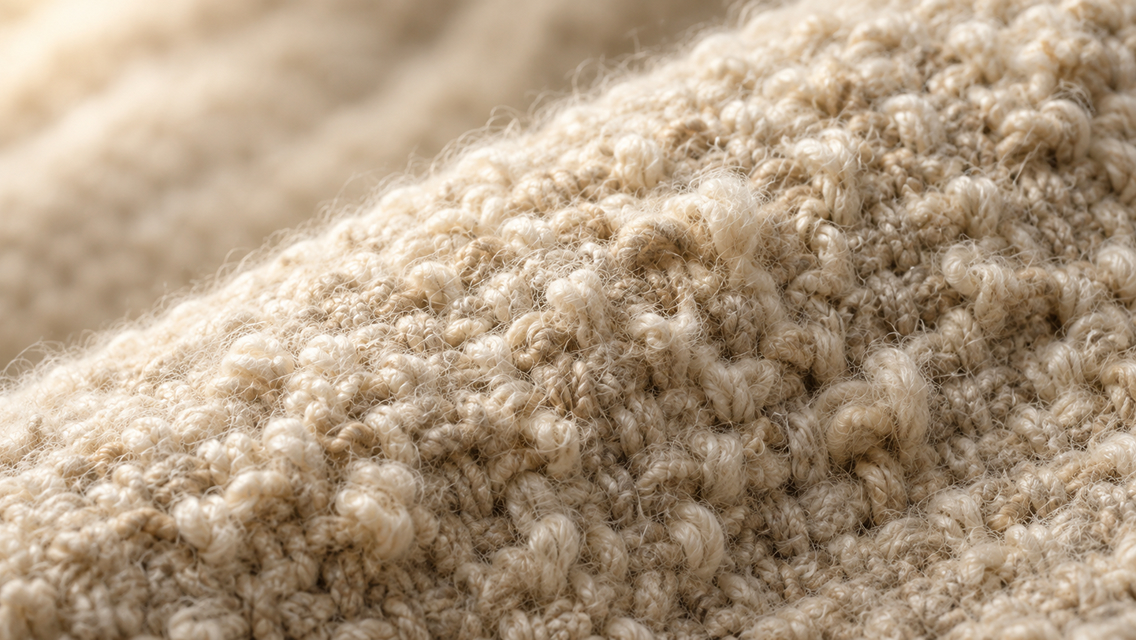
Natural Fiber Choices
Our material priorities focus on natural fibres, lasting quality, and reduced reliance on virgin synthetics, guided by each garment’s purpose and performance needs.
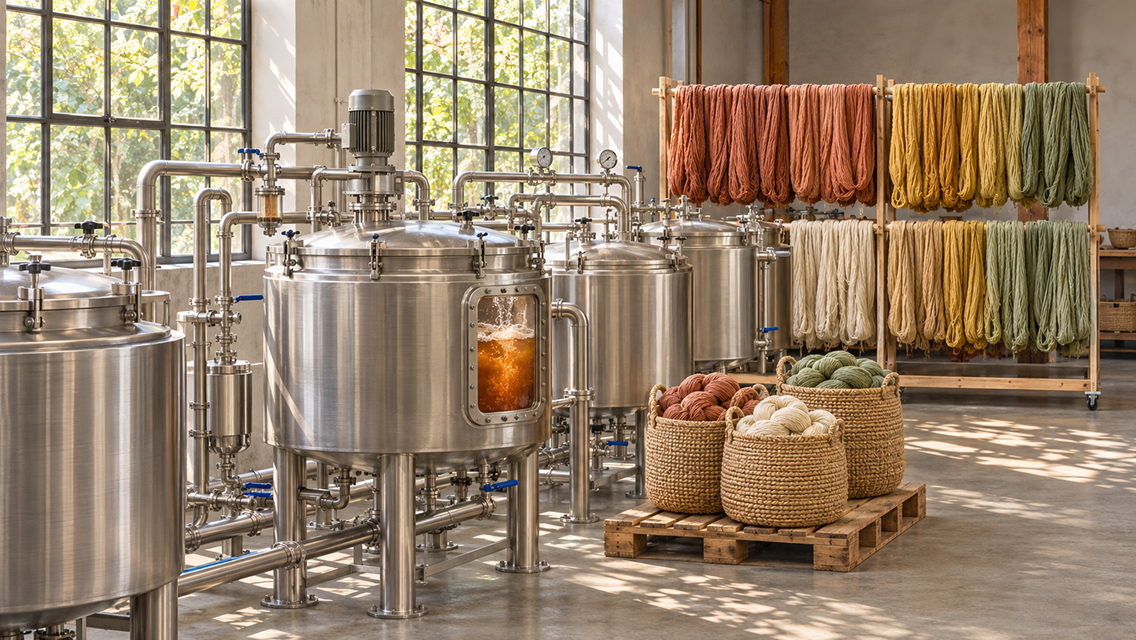
Thoughtful Color & Dyeing
Our dyeing priorities focus on careful chemical selection, efficient water use, and responsible wastewater management throughout textile processing.
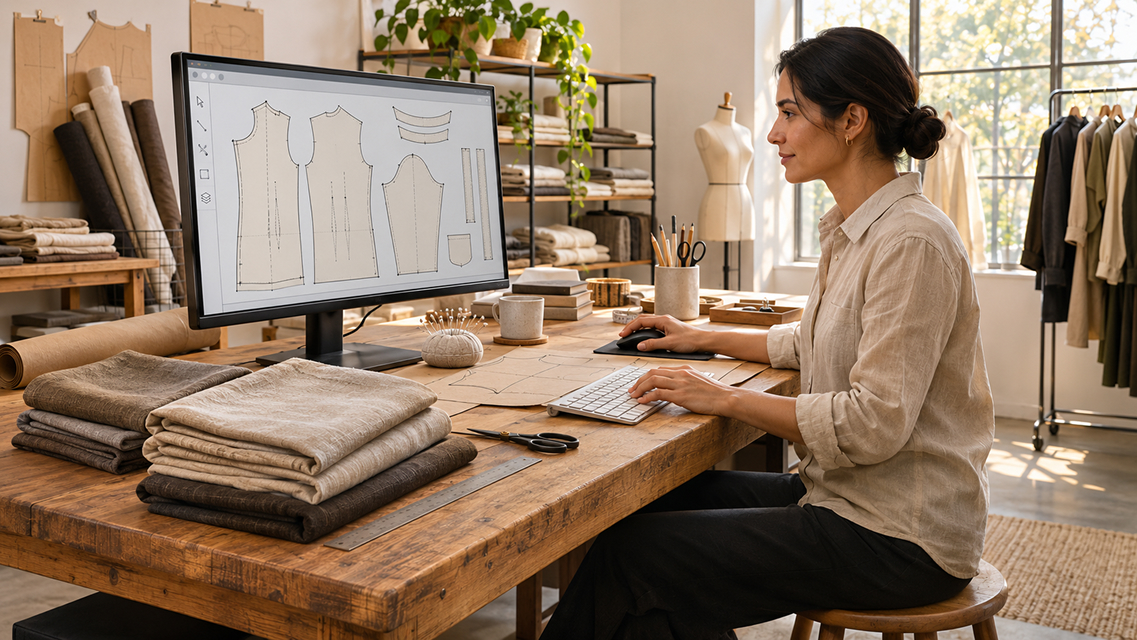
Smarter Patterns, Less Waste
Our design approach prioritises efficient pattern layouts and careful cutting plans to make better use of fabric and reduce production offcuts.
We Provide The Best Service
In Industry
We source and manufacture sustainable goods from around the
globe.
- Fair Labor Accredited
- World Wide Ethical Freight
- Carbon Natural Meal Target